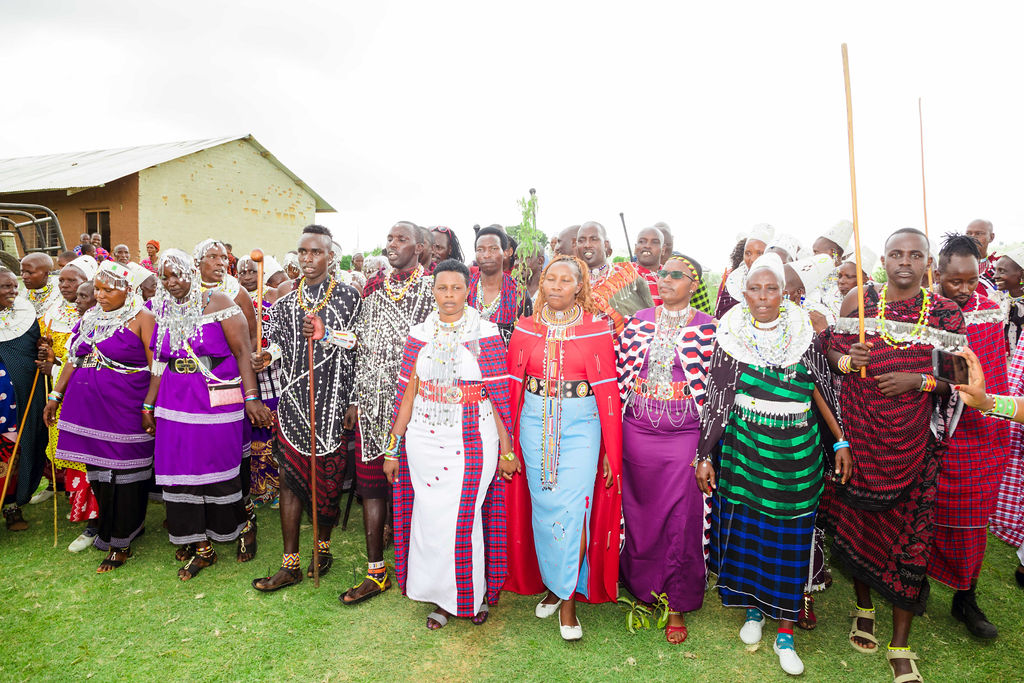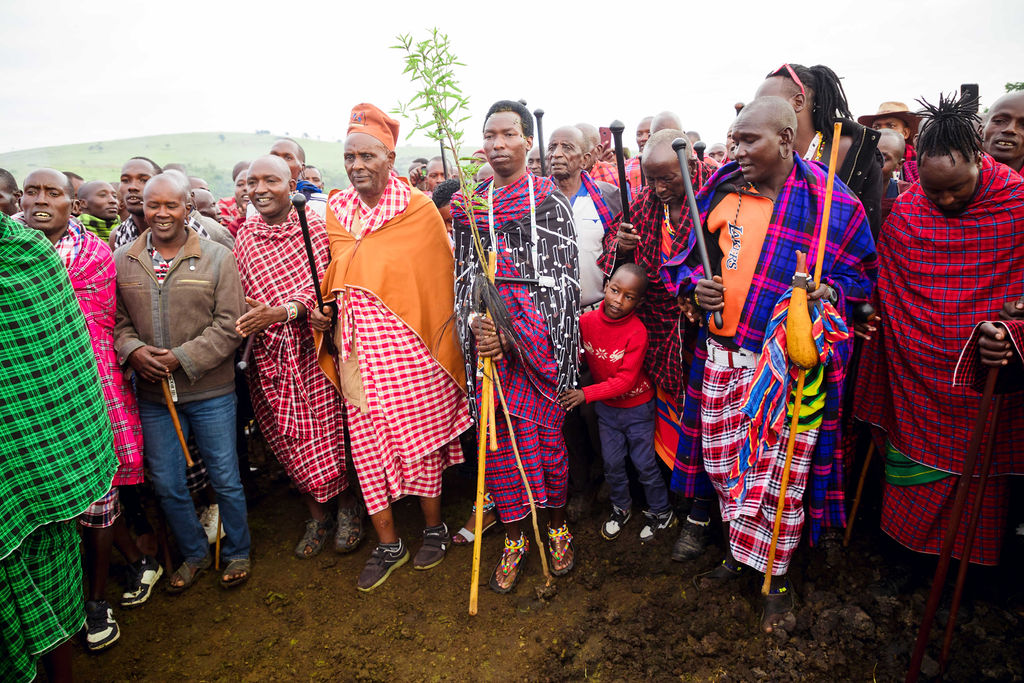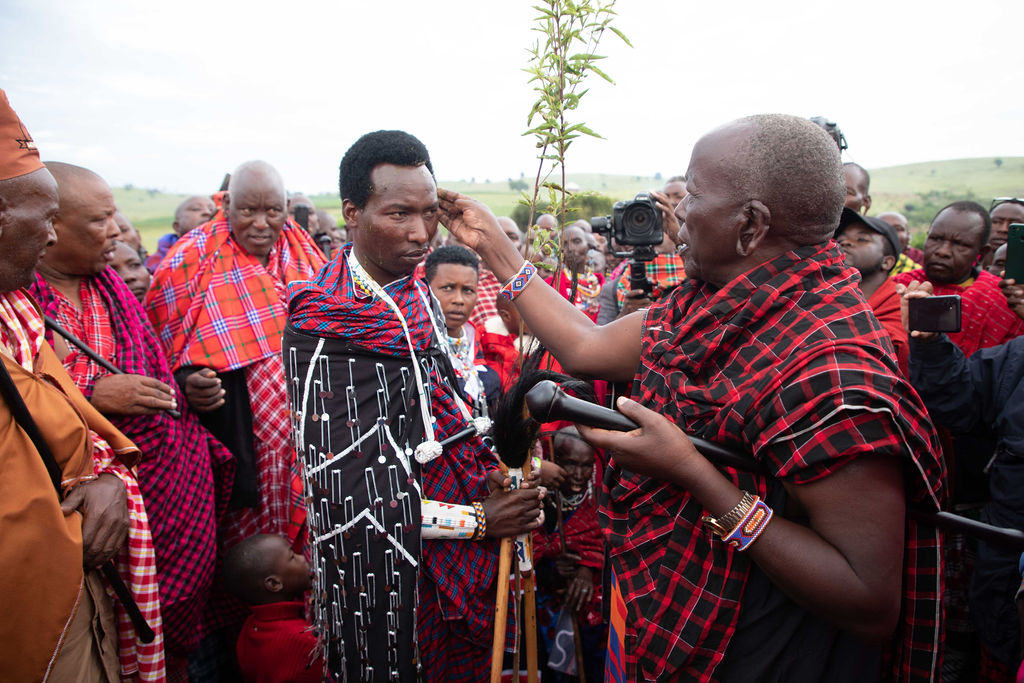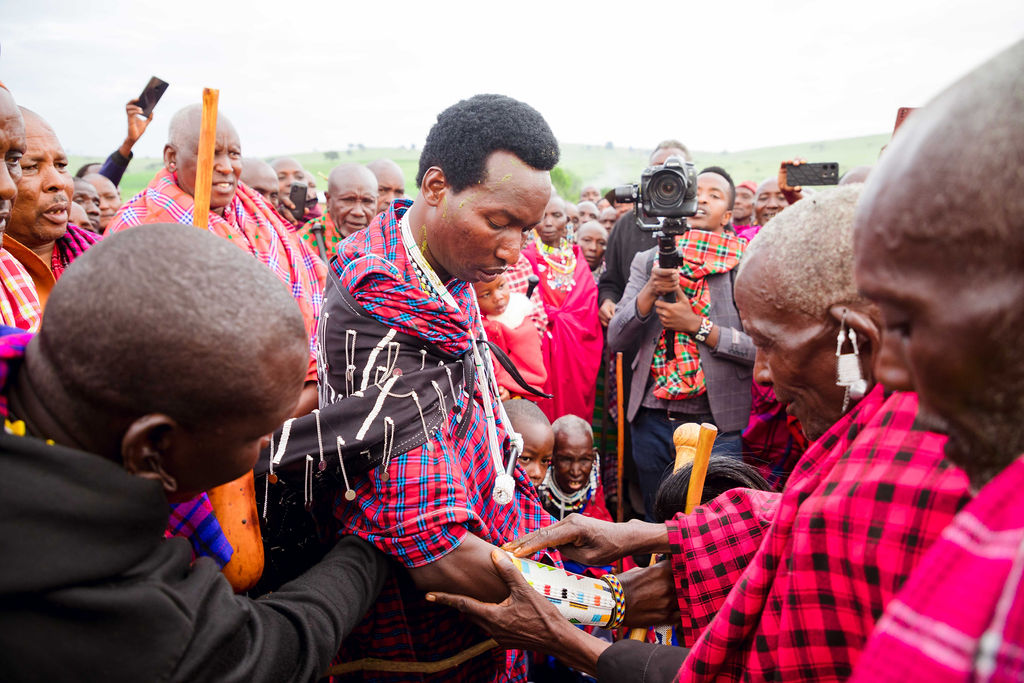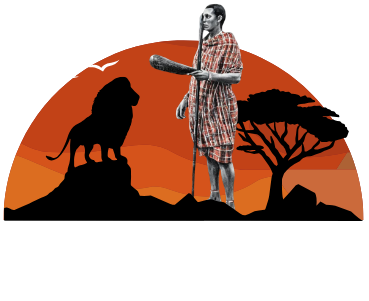
The Maasai people have a rich cultural heritage filled with vibrant festivals and sacred ceremonies that mark important milestones in their lives. From initiation rituals to community celebrations, these events are deeply rooted in tradition and passed down through generations. Witnessing or participating in a Maasai festival is a rare and unforgettable experience—one that offers insight into the values, beliefs, and way of life of one of Africa’s most iconic tribes.
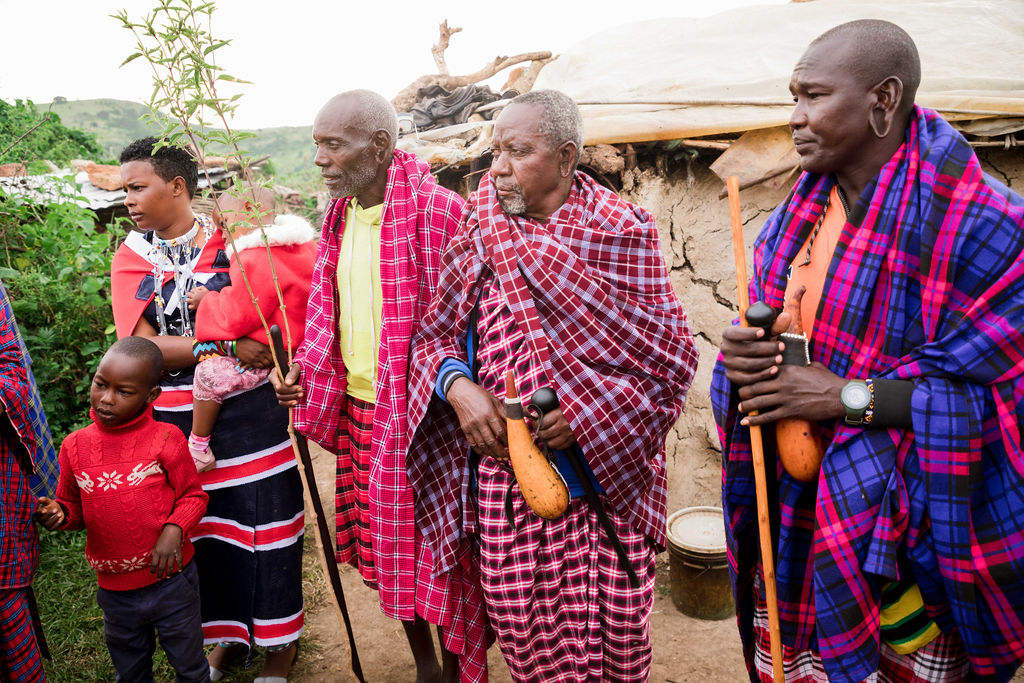
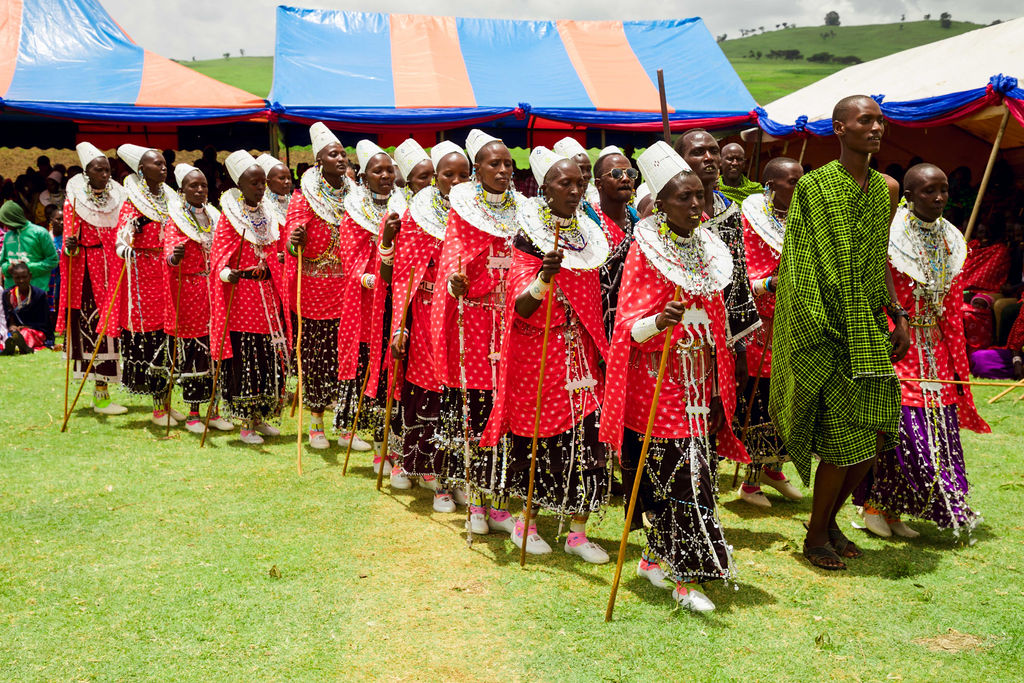
In Maasai culture, ceremonies play a vital role in shaping identity, unity, and spiritual beliefs. These gatherings bring together entire communities to celebrate transitions, honor ancestors, and reinforce the values that define their society. Many of these ceremonies involve elaborate traditional dress, rhythmic singing, powerful chants, and energetic dances that tell stories of bravery, nature, and the spirits of their ancestors.
Among the many ceremonies held by the Maasai, some of the most significant are rites of passage that mark the transition from one life stage to another. These seasonal events are grand, emotional, and deeply symbolic.
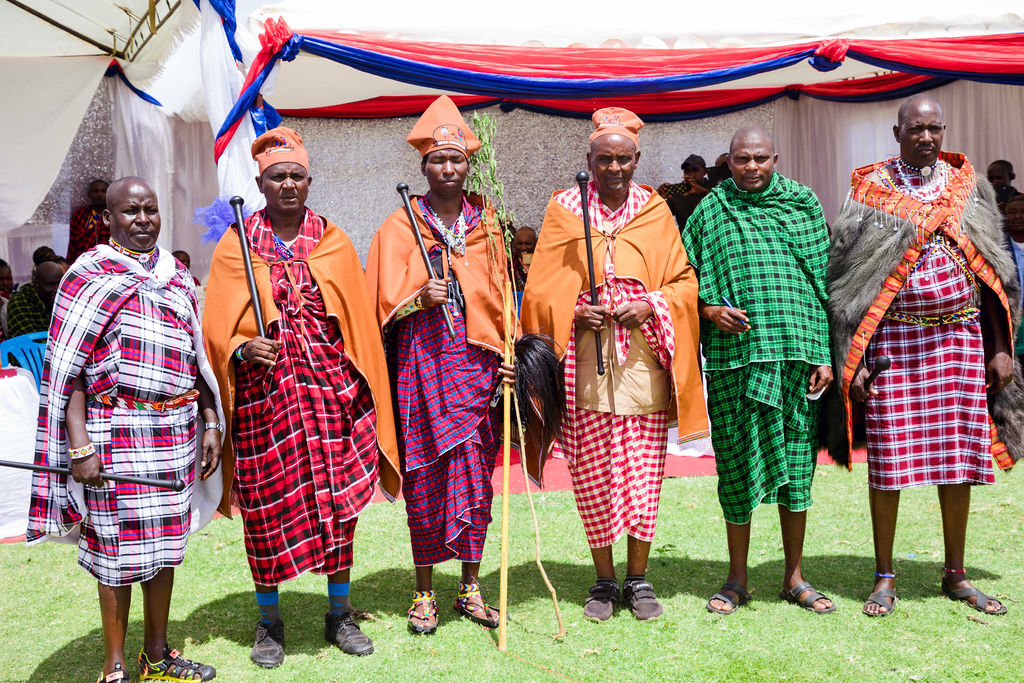
Enkipaata is the first major rite of passage for Maasai boys, preparing them for warriorhood. It is a carefully planned event where young boys, usually between 12 and 16 years old, are brought together to undergo teachings about their responsibilities as future protectors of the community. This event includes rituals, guidance from elders, and traditional blessings before they advance to the next stage of their lives.
One of the most spectacular Maasai ceremonies is the Eunoto, marking the transition of young warriors (Morans) into respected elders. This event is held once every decade and lasts for several days, bringing together warriors from different villages.
During Eunoto, the warriors shave their long ochre-dyed hair, symbolizing their shift from youthful warriors to mature men ready to take on leadership roles. Traditional songs, feasts, and energetic dances fill the air as the community comes together to honor their bravery and mark their readiness to settle down and raise families.
✔ Olng’esherr – The Meat-Eating Ceremony: A grand feast where warriors celebrate their achievements and strengthen their bond through communal eating of roasted meat.
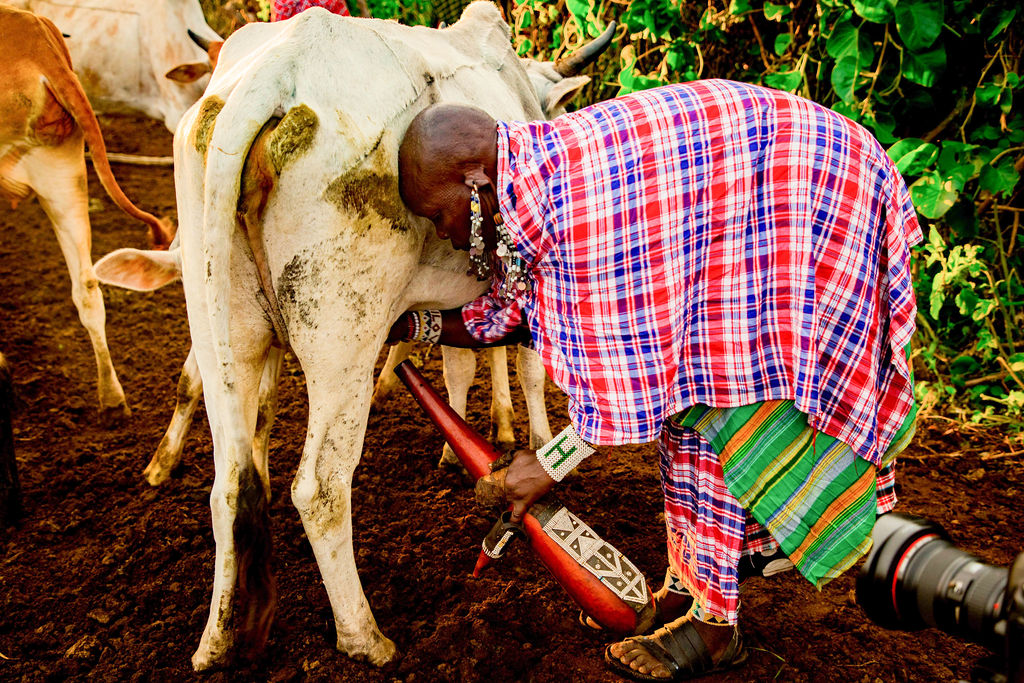
✔ Esirit Enkang – Traditional Maasai Weddings: A colorful celebration where the bride wears intricate beaded jewelry, and elders bless the union with prayers and milk offerings.
✔ Ilkipirat – Naming Ceremonies: An intimate family gathering where newborns are given their Maasai names, often inspired by the season or events surrounding their birth.
Attending a Maasai festival or ceremony is more than just witnessing a tradition—it is stepping into a living history where the past and present merge through rituals, dance, and storytelling. These events offer a deeper understanding of the resilience, spirituality, and strong communal bonds that define the Maasai people.
Join us for an unforgettable journey into the heart of Maasai culture, where every chant, every dance, and every ceremony tells a story of heritage, honor, and tradition.
Let us guide you through the heart of Tanzania, where rich Maasai culture and stunning wildlife await.